The SOLAS (Safety of Life at Sea) Convention is published by the IMO (International Maritime Organisation) at which the ISAF have Consultative Status.
SOLAS Chapter V (Safety of Navigation) establishes the international framework for safe navigation, vessel traffic coordination, maritime communication, and operational safety at sea. Unlike many other SOLAS chapters that apply only to specific vessel categories, Chapter V broadly applies to ships engaged on international voyages and defines the operational and technical requirements necessary to support safer maritime operations.
As maritime transportation becomes increasingly connected and data-driven, Chapter V provides the foundation for modern e-navigation services, vessel monitoring systems, and coordinated maritime operations.
Core Objectives of SOLAS Chapter V
The primary objective of Chapter V is to improve navigation safety and reduce operational risks through internationally recognized procedures, technologies, and navigational practices. The chapter establishes requirements related to:
- Voyage planning and safe routing
- Vessel Traffic Services (VTS)
- Maritime communication systems
- Automatic Identification Systems (AIS)
- Long-Range Identification and Tracking (LRIT)
- Nautical charts and navigational publications
- Steering gear operation and emergency readiness
- Search and rescue obligations
- Hazard and danger reporting procedures
- Recording navigational activities
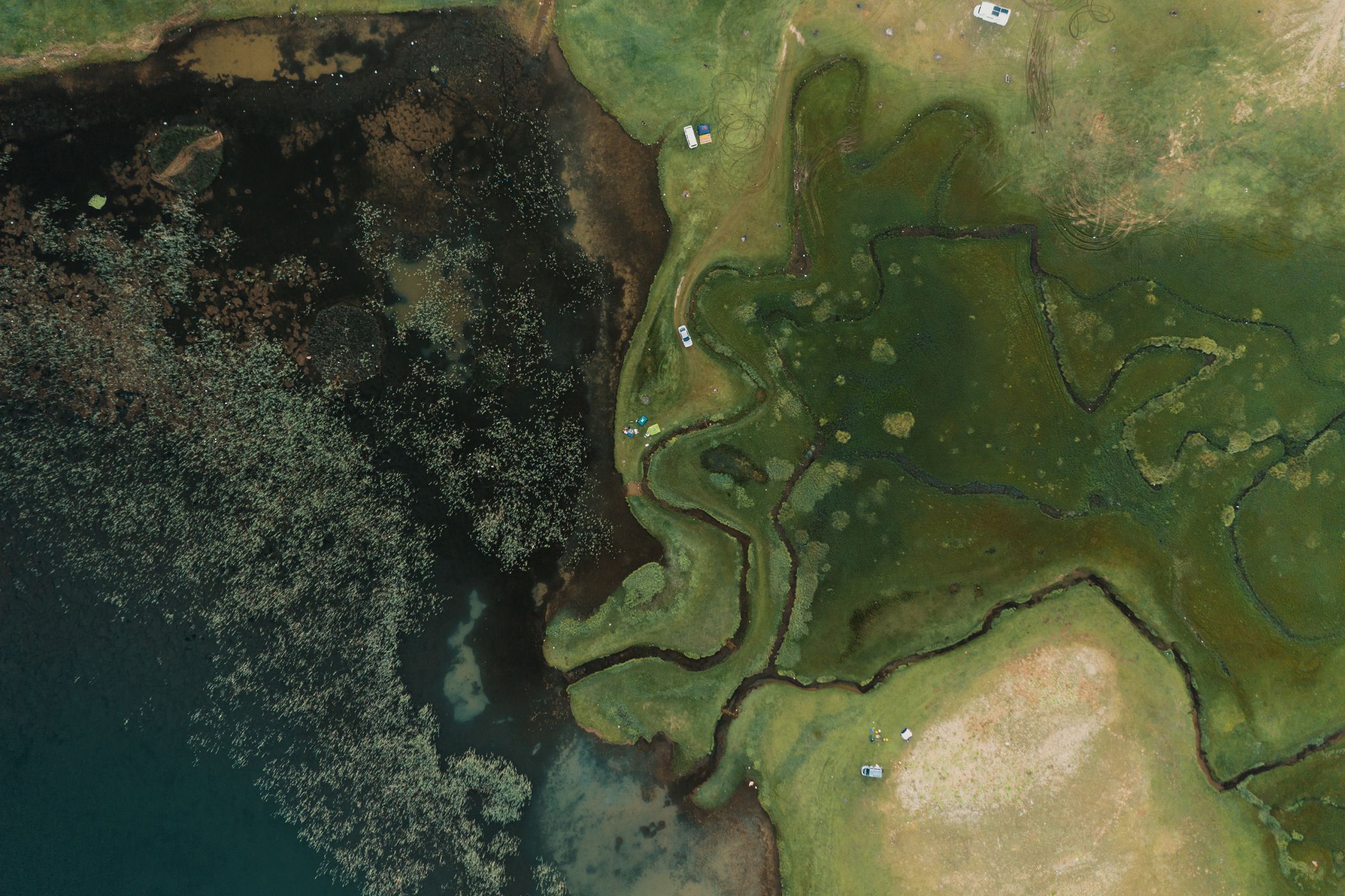
Voyage Planning & Navigation Safety
One of the key principles of SOLAS Chapter V is safe voyage planning. Before departure, vessels are required to prepare voyage plans using updated nautical charts, navigational publications, weather information, and routing systems to ensure safe passage throughout the voyage.
The convention also emphasizes:
- Identification of navigational hazards
- Environmental protection during navigation
- Operational readiness of steering systems
- Emergency steering procedures and drills
- Continuous recording of navigational activities
Vessel Monitoring & Maritime Coordination
SOLAS Chapter V supports the implementation of modern vessel monitoring and maritime coordination systems, including:
AIS (Automatic Identification System)
AIS enables vessels and maritime authorities to exchange real-time navigational information such as vessel identity, position, speed, and course to improve traffic coordination and collision avoidance.
LRIT (Long-Range Identification and Tracking)
LRIT supports long-range vessel tracking and improves maritime visibility, security, and search and rescue coordination.
Vessel Traffic Services (VTS)
VTS and VTMS platforms support:
- Vessel movement monitoring
- Traffic coordination
- Navigational risk management
- Maritime situational awareness
- Incident response support
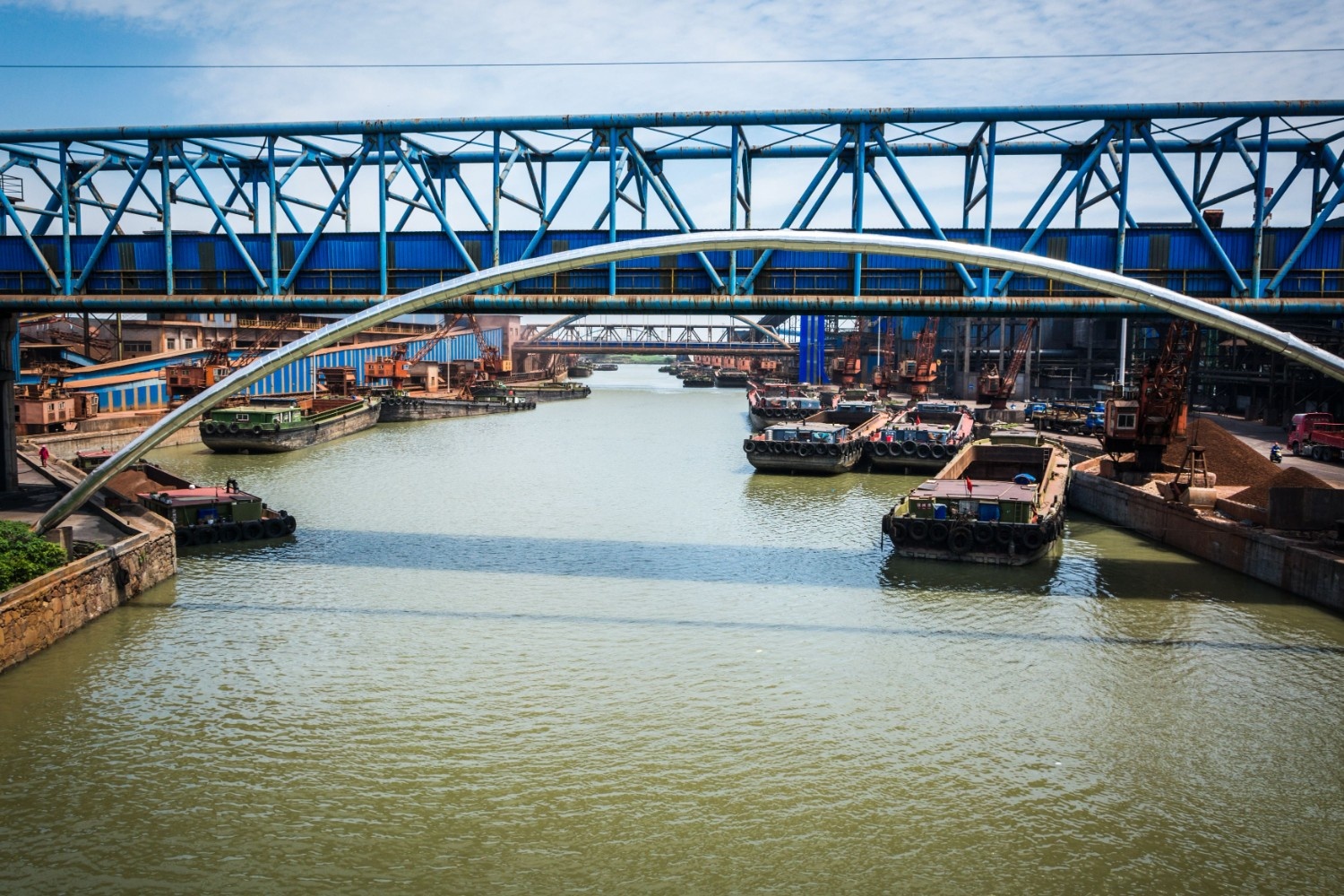
Search, Rescue & Maritime Safety
Chapter V also defines international obligations related to:
- Distress communication
- Hazard reporting
- Severe weather warnings
- Search and rescue coordination
- Emergency response procedures at sea
These regulations help strengthen international cooperation and improve maritime safety across global shipping routes.
SOLAS Chapter V & e-Navigation
SOLAS Chapter V plays a central role in supporting modern e-navigation strategies through:
- Real-time situational awareness
- Integrated vessel monitoring
- Coordinated maritime services
- Harmonized information exchange
- Safer navigational decision-making
Today’s maritime operations increasingly rely on the integration of GIS, communication systems, vessel monitoring technologies, and digital operational platforms to support more connected and coordinated maritime environments.
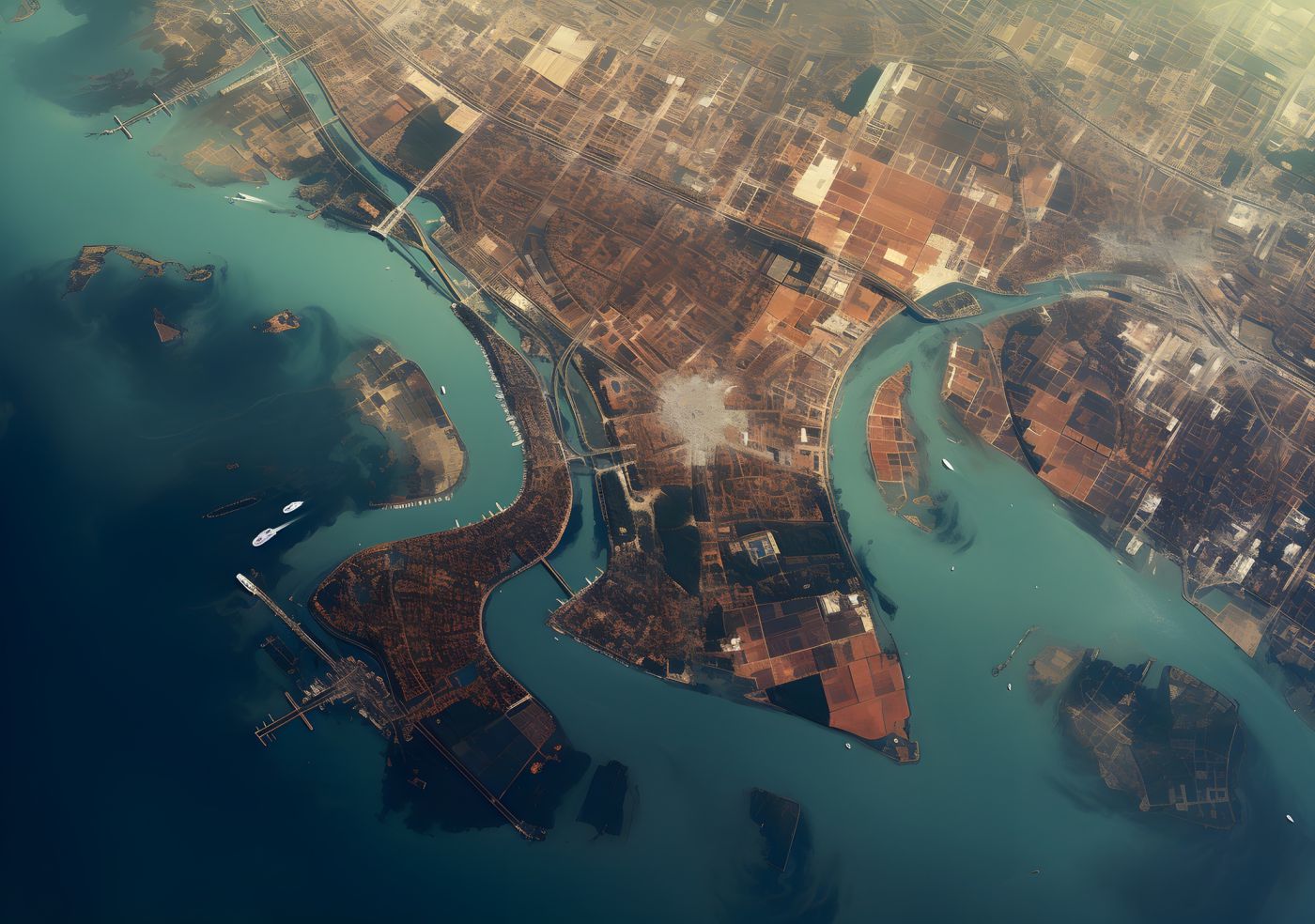
MarinePlus & SOLAS-Aligned Maritime Operations
MarinePlus is 5th Technology’s integrated maritime operations platform designed to support modern maritime requirements aligned with SOLAS Chapter V and e-navigation principles. The platform integrates:
- Vessel traffic monitoring
- GIS-based marine visualization
- Real-time situational awareness
- Maritime operational coordination
- Spatial analysis and monitoring
- Digital maritime services
MarinePlus helps maritime authorities and operators create safer, more efficient, and more coordinated maritime environments.